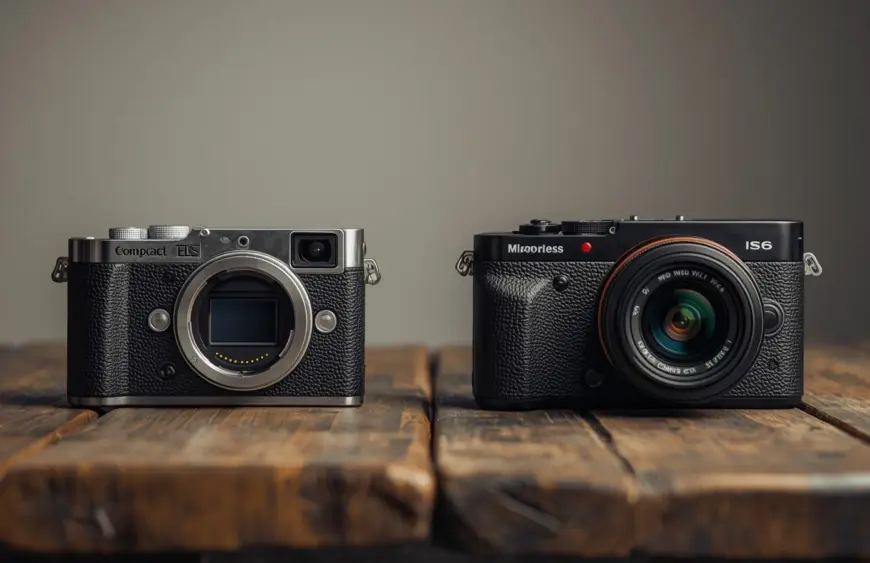
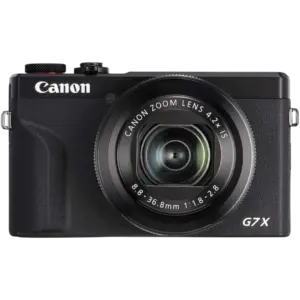
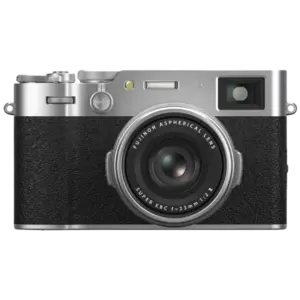
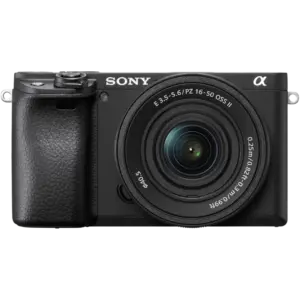
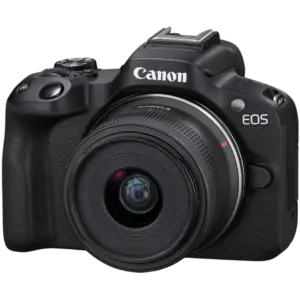
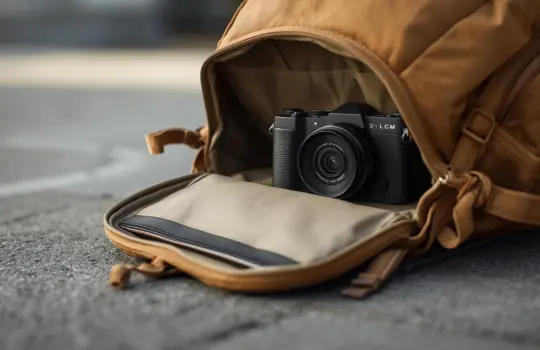
Travel photography often involves capturing a wide range of scenes, from city streets and landscapes to everyday moments on the move. Camera choice plays an important role in how easily these moments can be documented. Among dedicated cameras, compact cameras and mirrorless cameras are commonly used for travel due to their balance of portability and image quality.
This article explains the differences between compact and mirrorless cameras in the context of travel photography, focusing on design, usability, and practical considerations rather than specific buying recommendations.
What Are Compact Cameras?
Definition and Design: Compact cameras are characterized by their smaller physical dimensions and lighter weight compared to traditional DSLR cameras. These cameras are designed for portability and ease of use, making them practical for travelers who need to manage luggage weight and space constraints.
Key Characteristics:
- Body size that allows the camera to fit in a jacket pocket or small bag
- Weight typically under 500 grams for the body alone
- Built-in fixed lenses or compact interchangeable lens systems
- Simplified controls while maintaining essential photography functions
- Battery compartments designed for smaller, lighter batteries
Lens Types: Compact cameras typically feature either fixed zoom lenses or compact interchangeable lens systems. Fixed-lens compact cameras offer simplicity and durability, while interchangeable lens options provide flexibility for different shooting situations.
Sensor Sizes: Compact cameras commonly use 1-inch sensors, APS-C sensors, or Micro Four Thirds sensors. These sensor sizes provide a balance between image quality and camera size.
What Are Mirrorless Cameras?
Definition and Design: Mirrorless cameras eliminate the mirror mechanism found in traditional DSLR cameras. This design allows for more compact camera bodies while maintaining the capability for interchangeable lenses and advanced features.
Key Characteristics:
- No mirror mechanism, allowing for more compact body designs
- Electronic viewfinder showing a digital preview of the image
- Interchangeable lens systems with various focal length options
- Advanced autofocus systems including subject tracking and face detection
- In-body image stabilization (IBIS) on many models
Sensor Sizes: Mirrorless cameras are available with full-frame sensors (36x24mm), APS-C sensors, and Micro Four Thirds sensors. Full-frame mirrorless cameras offer larger sensors in relatively compact form factors.
Lens Ecosystem: Mirrorless systems have developed extensive lens ecosystems with options ranging from ultra-wide to telephoto focal lengths. Many manufacturers offer compact lens options designed specifically for travel photography.
Compact vs Mirrorless: Key Differences
Size and Weight
Compact fixed-lens cameras are generally the lightest option, often weighing between 200-400 grams. Mirrorless cameras with a single lens typically weigh between 400-700 grams, and a full mirrorless kit with multiple lenses can easily exceed the weight of a single compact camera.
Image Quality and Sensor Performance
Full-frame mirrorless cameras generally capture more light and produce images with better dynamic range compared to compact cameras with smaller sensors. Modern compact cameras with larger sensors (APS-C or 1-inch), however, can still deliver excellent image quality for travel.
Lens Flexibility
Compact fixed-lens cameras offer simplicity with one lens covering a wide focal range, while mirrorless cameras allow you to change lenses for specific needs such as ultra-wide landscapes, portraits, or wildlife.
Autofocus and Features
Modern mirrorless cameras typically feature advanced autofocus systems with phase detection, subject tracking, and eye detection. Compact cameras also offer capable autofocus, but may lack some of the cutting-edge tracking options found in mirrorless bodies.
Battery Life
Compact cameras typically offer longer battery life per charge compared to mirrorless cameras. Mirrorless cameras use electronic viewfinders that draw more power, so travelers often need to carry extra batteries.
Cost
Compact cameras are generally more affordable as an all-in-one solution. Mirrorless systems usually have a higher initial cost and require additional investment in lenses.
Compact vs Mirrorless at a Glance
| Feature |
Compact Cameras |
Mirrorless Cameras |
| Body Weight |
200-400 g (fixed-lens) |
400-700 g (with single lens) |
| Portability |
Highly portable, fits in jacket pocket |
Portable with one lens, bulkier with multiple |
| Lens Flexibility |
Fixed lens or limited options |
Extensive interchangeable lens ecosystem |
| Sensor Size |
1-inch, APS-C, Micro Four Thirds |
Full-frame, APS-C, Micro Four Thirds |
| Image Quality |
Very good for travel |
Excellent, especially full-frame |
| Battery Life |
300-400 shots |
250-350 shots |
| Autofocus |
Capable for general travel |
Advanced with subject tracking |
| Low Light |
Good with larger sensors |
Excellent, especially full-frame |
| Learning Curve |
Simple, beginner-friendly |
More complex, steeper curve |
Practical Travel Considerations
Luggage Space and Weight Limits: If you are traveling with strict luggage limits, a compact fixed-lens camera is easier to pack and carry all day.
Shooting Frequency: If you shoot constantly throughout the day, battery life becomes important. Compact cameras can often last longer on a single charge.
Subjects You Photograph: For city walks, landscapes, food, and general scenes, a compact camera’s zoom range is often enough. For wildlife, sports, or shallow depth of field, a mirrorless system provides more control.
Learning and Skill Level: Compact cameras are easier for beginners who want good results with minimal setup. Mirrorless cameras suit photographers comfortable with manual settings.
Backup and Reliability: A single compact camera is simple but offers no backup if it fails. With a mirrorless system, you may have more redundancy in lenses and accessories.
Advantages of Compact Cameras for Travel
- Extreme Portability: Fits in a jacket pocket or small crossbody bag
- Simplicity: No need to manage multiple lenses or accessories
- Longer Battery Life: More shots per battery charge
- Lower Cost: More affordable as a single-purchase solution
- Durability: Fewer moving parts and no exposed sensor during lens changes
- Less Exposure to Elements: No lens swaps means less dust and moisture risk
Advantages of Mirrorless Cameras for Travel
- Lens Flexibility: Swap lenses for ultra-wide, standard, portrait, and telephoto needs
- Larger Sensors: Better image quality, dynamic range, and low-light performance
- Advanced Features: Subject tracking, face and eye detection, high burst rates
- In-Body Stabilization: Many models offer IBIS for sharper handheld photos
- Professional Control: More manual options, custom buttons, and profiles
- Future Expandability: Add lenses and accessories as your skills grow
Which Is Better for Your Travel Style?
Choose a Compact Camera if:
- You prioritize extreme portability and minimal weight
- You prefer a simple, all-in-one solution
- You have strict luggage weight and space constraints
- You are a casual photographer who mainly shares photos online
- You want longer battery life and less gear to manage
- You prefer a lower initial investment
Choose a Mirrorless Camera if:
- You want flexibility to change lenses for different situations
- You prioritize image quality and low-light performance
- You photograph diverse subjects such as landscapes, portraits, and wildlife
- You are comfortable learning camera settings and manual controls
- You want a system that can grow with your skills
- You are willing to carry extra lenses and batteries
Conclusion
Both compact and mirrorless cameras can serve travel photographers well, but they suit different types of travelers. Compact cameras excel in portability, simplicity, and battery life, making them ideal for trips where you want to travel light. Mirrorless cameras offer superior image quality, lens flexibility, and advanced features for photographers who want creative control and room to grow.
The best choice depends on your travel style, destinations, and budget. Think about how much gear you are willing to carry, the subjects you photograph most often, and whether you prefer a straightforward camera or a more advanced system. Both options can produce excellent travel photos when matched to your needs.
Explore our selection of compact and mirrorless cameras to find the option that best fits your travel photography style.