
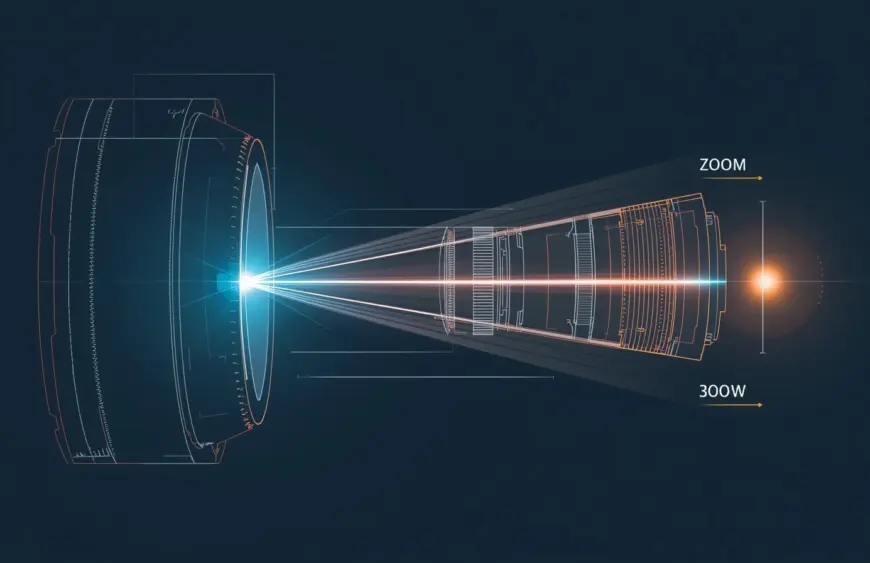
Understanding the difference between optical zoom and digital zoom can help you make informed decisions when choosing a smartphone for photography. This guide explains how each zoom type works, their impact on image quality, and what features to consider.
What Is Optical Zoom?
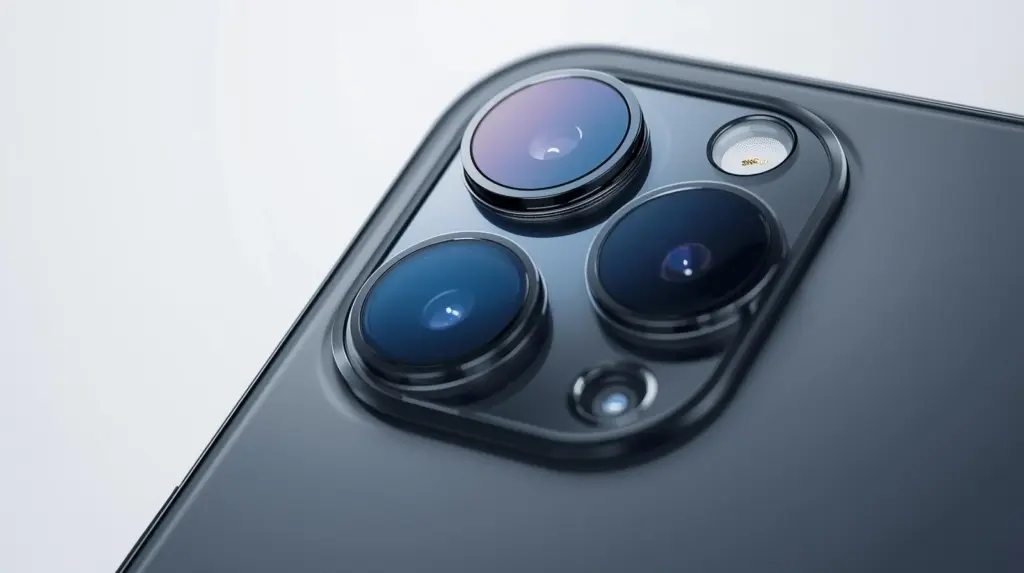
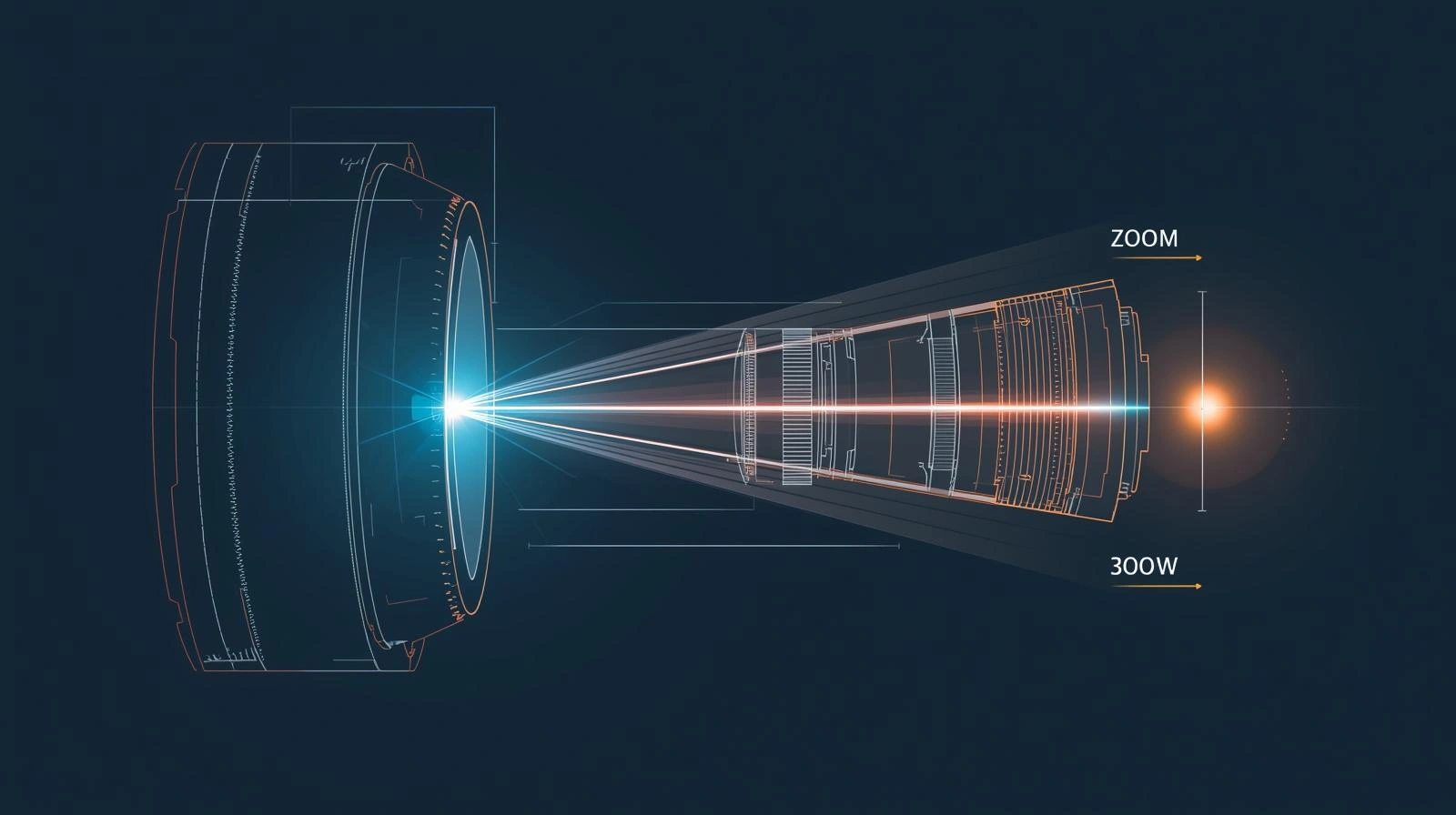
Optical zoom uses physical lens elements inside the camera module to magnify distant subjects. When you use optical zoom, the lens physically moves to bring the subject closer, similar to how a traditional camera works.
Smartphones with optical zoom typically include a dedicated telephoto lens alongside the main camera. This separate lens has a longer focal length, allowing it to capture subjects at a distance without losing image detail.
What Is Digital Zoom?
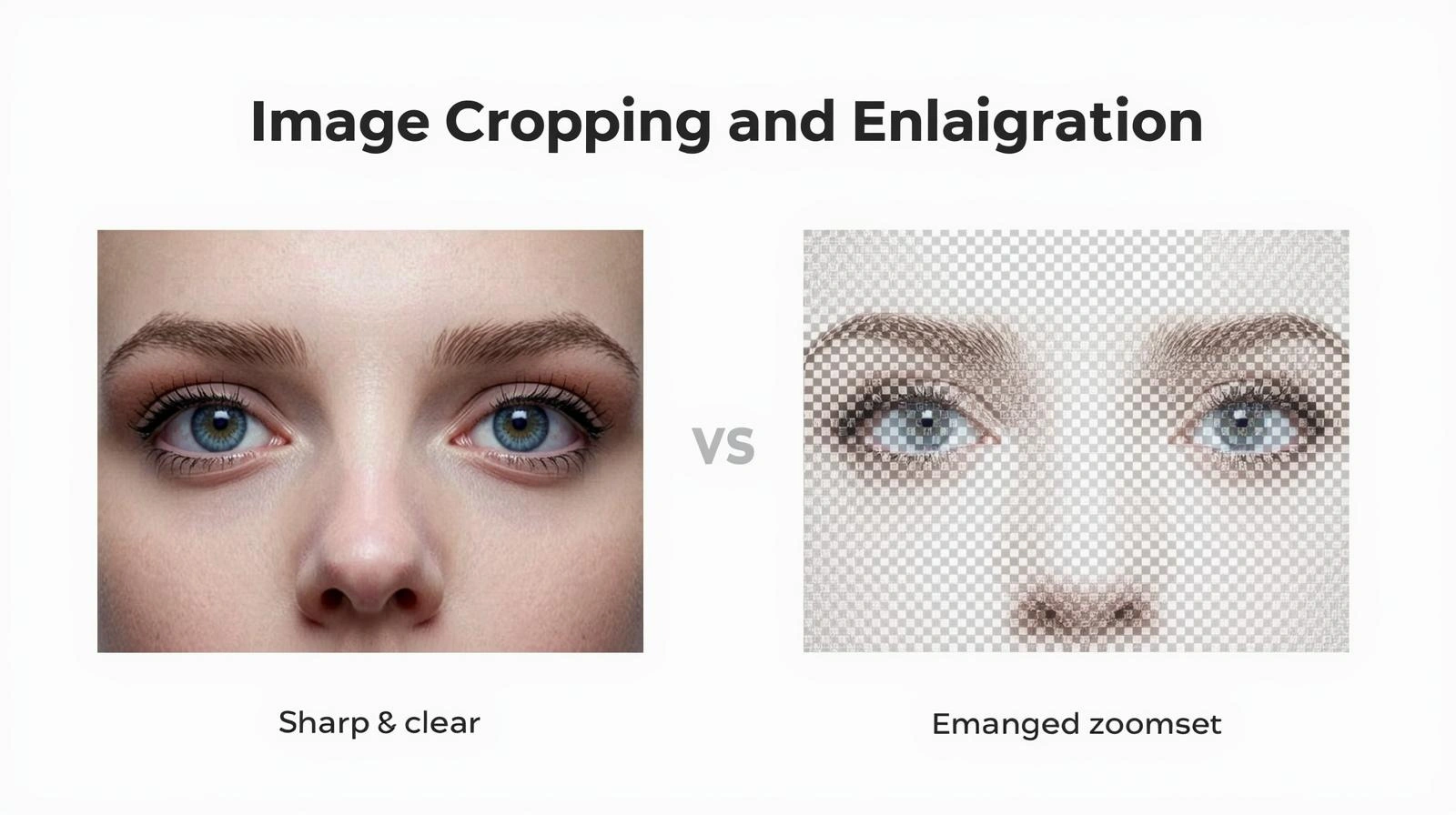
Digital zoom works differently from optical zoom. Instead of using physical lens movement, digital zoom enlarges a portion of the image using software processing. The camera captures the same image but crops and enlarges the center portion to simulate a zoomed effect.
When you use digital zoom, the smartphone software takes the original image and crops into the center area. This cropped section is then enlarged to fill the frame, which can result in reduced image quality at higher zoom levels.
Optical vs Digital Zoom: Comparison
| Feature | Optical Zoom | Digital Zoom |
|---|---|---|
| How It Works | Physical lens movement | Software cropping and enlargement |
| Image Quality | Maintains original resolution | Reduces resolution at higher levels |
| Hardware Required | Telephoto lens module | No additional hardware needed |
| Zoom Range | Typically 2x to 5x | Can exceed 10x or more |
| Detail Preservation | High | Decreases with zoom level |
| Low Light Performance | Generally better | May introduce more noise |
What Is Hybrid Zoom?
Many modern smartphones combine optical and digital zoom to create hybrid zoom. This approach uses optical zoom for initial magnification and then applies digital processing for additional zoom levels. Hybrid zoom attempts to balance image quality with extended zoom range.
For example, a smartphone with 3x optical zoom might offer 30x hybrid zoom by combining the optical telephoto lens with digital processing and computational photography techniques.
Frequently Asked Questions
Is optical zoom always better than digital zoom?
Optical zoom generally maintains higher image quality because it uses physical lens elements rather than software processing. However, digital zoom has improved significantly with computational photography advances, and may be adequate for many everyday photography situations.
Can digital zoom match optical zoom quality?
While computational photography has improved digital zoom results, optical zoom still provides better detail preservation at equivalent magnification levels. Digital zoom works by enlarging pixels, which inherently reduces the effective resolution of the final image.
What is the difference between 3x optical zoom and 30x hybrid zoom?
A 3x optical zoom uses the telephoto lens to magnify subjects three times without quality loss. A 30x hybrid zoom combines that optical capability with digital processing to achieve higher magnification, though image quality decreases as the zoom level exceeds the optical range.
Do all smartphones have optical zoom?
Not all smartphones include optical zoom capability. Optical zoom requires a dedicated telephoto lens module, which adds cost and design complexity. Many entry-level and mid-range smartphones rely primarily on digital zoom.
Conclusion
Understanding the difference between optical and digital zoom helps you evaluate smartphone camera specifications more effectively. Optical zoom preserves image quality through physical lens magnification, while digital zoom offers extended range through software processing. Many current smartphones combine both approaches through hybrid zoom systems.
Explore smartphone camera specifications to find the zoom capability that fits your needs.
Recent Comments
Recent Posts


Tags
Articles camera comparison camera guide Chat compact camera compact cameras consumer drones digital zoom drone basics drone components drone technology how drones work hybrid zoom lightweight camera mirrorless camera mirrorless travel camera optical zoom Shorts smartphone camera smartphone photography Summer Sunglasses technology telephoto lens travel camera guide travel photography travel photography camera Vintage Winter