
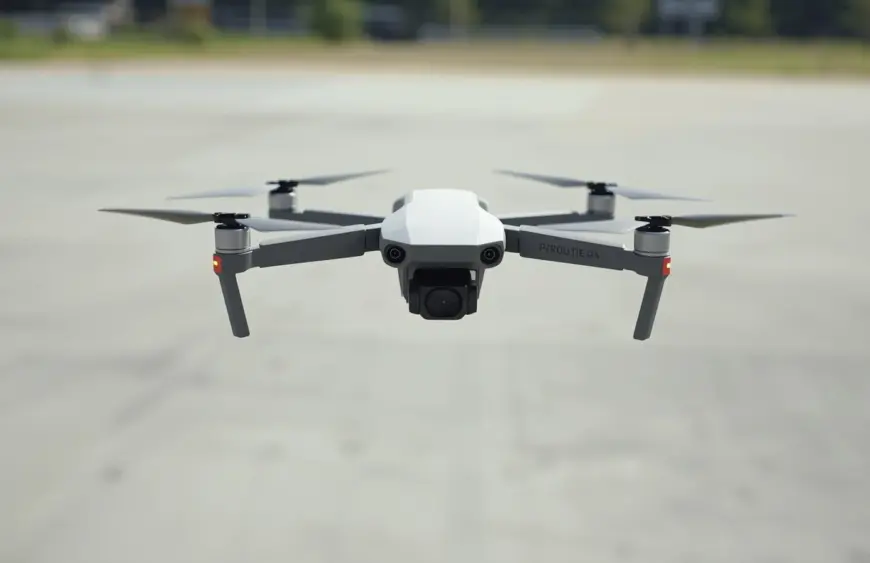
Consumer drones have become increasingly accessible to the general public over the past decade. These unmanned aerial vehicles (UAVs) serve various purposes, from aerial photography and videography to recreational flying and educational applications.
Understanding how consumer drones work provides valuable insight into the technology behind these devices. This knowledge can help users operate their drones more effectively and appreciate the engineering principles that enable flight.
This article explains the fundamental components and systems that allow consumer drones to function, covering everything from the basic mechanical elements to the sophisticated electronic systems that enable stable, controlled flight.
Core Components of a Consumer Drone
Consumer drones consist of several key components that work together to enable flight and functionality.
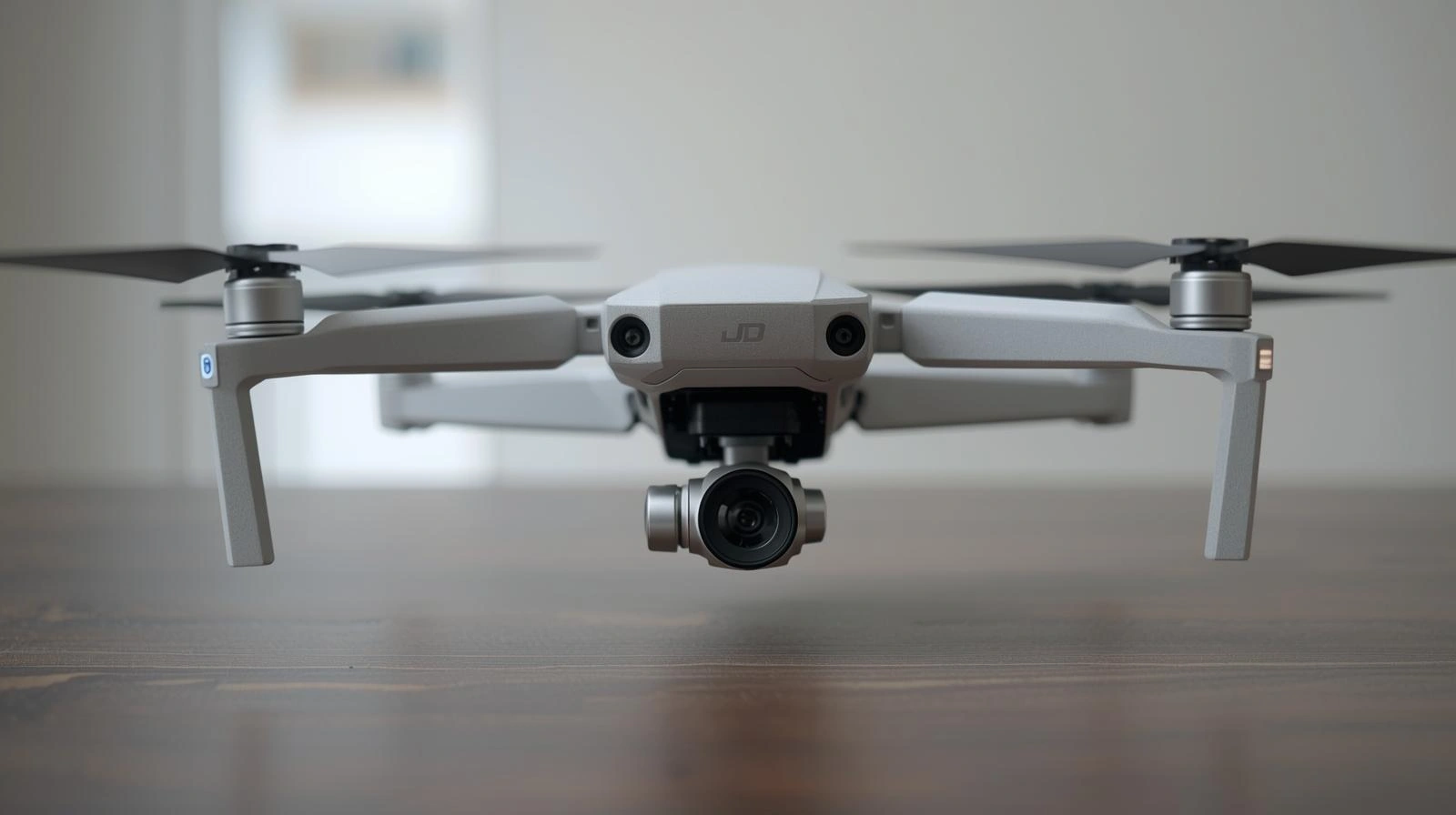
Motors and Propellers: Most consumer drones use brushless electric motors connected to propellers. Quadcopters typically have four motors, with pairs spinning in opposite directions to maintain stability.
Frame: The frame serves as the structural foundation that holds all components together. Materials commonly used include plastic, carbon fiber, and aluminum alloys.
Flight Controller: This is the central processing unit of the drone, receiving input from sensors and the pilot to control motor speeds and maintain stability.
Electronic Speed Controllers (ESCs): ESCs regulate the power delivered to each motor based on commands from the flight controller, allowing precise control over motor speed and drone movement.
How Drones Fly
Consumer drones achieve flight through the coordinated operation of multiple motors and propellers working against gravity.
Lift: Drones generate lift by spinning propellers at high speeds. The propeller blades push air downward, creating an upward force that counteracts the weight of the drone.
Thrust and Direction: By varying the speed of individual motors, drones can move in any direction. Increasing the speed of all motors causes the drone to rise, while decreasing speeds causes it to descend.
Stability: The flight controller continuously adjusts motor speeds to maintain balance and respond to pilot commands or environmental factors like wind.
Drone Sensors and Navigation Systems
Consumer drones rely on various sensors to maintain stable flight and navigate their environment.
Gyroscopes and Accelerometers: These sensors measure the drone’s orientation and movement, allowing the flight controller to make real-time adjustments to maintain stability.
GPS Module: GPS receivers enable drones to determine their position and navigate to specific waypoints. This technology also enables features like return-to-home functionality.
Barometer: Barometric pressure sensors help drones maintain consistent altitude by measuring air pressure changes.
Obstacle Sensors: Many consumer drones include sensors such as ultrasonic, infrared, or vision-based systems that detect objects in the flight path to help avoid collisions.
Drone Cameras and Gimbal Systems
Many consumer drones are equipped with cameras for aerial photography and videography.
Camera Sensors: Drone cameras typically use CMOS sensors to capture images and video. Sensor size and resolution vary across different drone models.
Gimbal Stabilization: A gimbal is a mechanical system that keeps the camera stable during flight. It compensates for the drone’s movements to produce smooth footage.
Three-Axis Gimbals: Most consumer drones use three-axis gimbals that control pitch, roll, and yaw, allowing the camera to remain level regardless of the drone’s orientation.
Battery, Power Management, and Flight Time
Consumer drones are powered by rechargeable batteries, typically lithium polymer (LiPo) batteries.
Battery Capacity: Battery capacity is measured in milliampere-hours (mAh). Higher capacity batteries can store more energy, potentially extending flight time.
Power Consumption: Flight time depends on factors including drone weight, flying style, weather conditions, and payload.
Battery Management Systems: Modern drone batteries include battery management systems (BMS) that monitor cell voltage, temperature, and charge cycles to maintain battery health.
Remote Control Systems
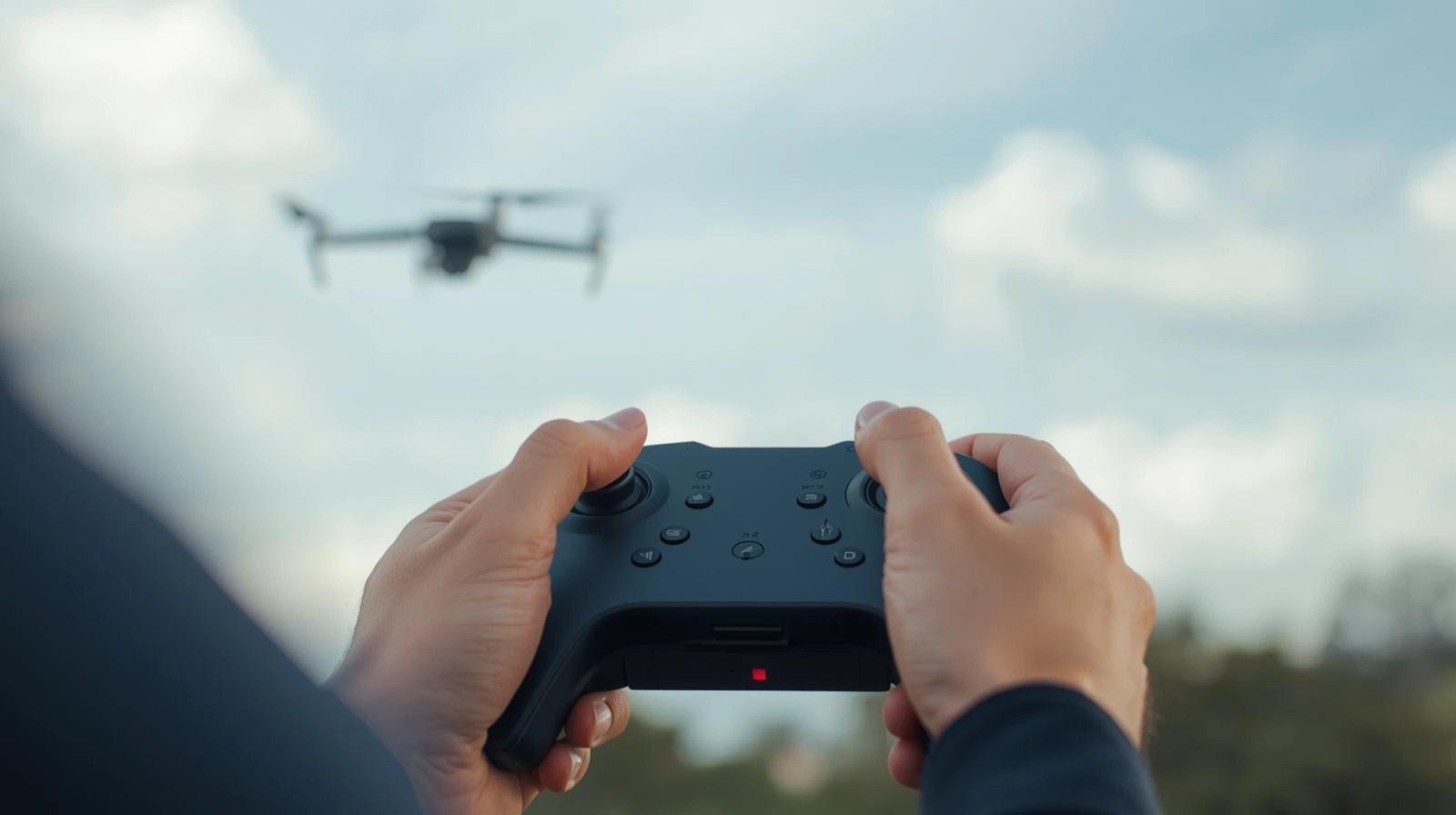
Consumer drones are operated using remote control systems that communicate with the aircraft wirelessly.
Transmitter and Receiver: The remote controller (transmitter) sends signals to the drone’s receiver, which interprets commands and adjusts flight parameters accordingly.
Radio Frequency: Most consumer drones operate on 2.4GHz or 5.8GHz frequencies. These frequencies provide sufficient range while minimizing interference with other devices.
Control Channels: Drones typically have multiple control channels that manage throttle, yaw, pitch, and roll independently. Additional channels may control camera functions and flight modes.
Safety Features
Modern consumer drones incorporate various safety features to protect users and bystanders.
Return-to-Home: When the battery level drops to a critical point or signal connection is lost, many drones automatically return to their takeoff location.
Geofencing: Software-based geofencing restricts drones from flying in designated no-fly zones such as airports, government buildings, and other restricted areas.
Propeller Guards: Physical guards around propellers help prevent injuries during close-proximity operations and protect the propellers from damage.
Low Battery Warnings: Drones typically alert pilots when battery levels become low, allowing time to land safely before power is depleted.
Regulations and Best Practices
Operating drones responsibly requires understanding applicable regulations and following established guidelines.
Registration Requirements: Many countries require registration of drones above a certain weight. Check local aviation authority requirements before flying.
Airspace Restrictions: Drones should not fly near airports, over crowds, or in restricted airspace. Use apps or maps to identify no-fly zones in your area.
Line of Sight: Most regulations require operators to maintain visual contact with their drone at all times during flight.
Privacy Considerations: Avoid flying over private property without permission and respect the privacy of others when capturing aerial imagery.
Maintenance Tips
Regular maintenance helps ensure reliable drone operation and extends the lifespan of components.
Pre-flight Inspection: Before each flight, check propellers for damage, verify battery charge levels, and ensure all connections are secure.
Propeller Care: Inspect propellers regularly for cracks, chips, or warping. Replace damaged propellers immediately as they can affect flight stability.
Battery Storage: Store batteries at room temperature and avoid leaving them fully charged or fully depleted for extended periods. Follow manufacturer guidelines for proper battery care.
Firmware Updates: Keep drone firmware updated to ensure access to the latest features, performance improvements, and safety enhancements.
Conclusion
Consumer drones represent a sophisticated integration of multiple technologies working together to achieve stable, controlled flight. From the motors and propellers that generate lift to the sensors and software that maintain stability, each component plays an essential role in the overall system.
Understanding these fundamental principles helps users appreciate the engineering behind consumer drones and make informed decisions when selecting a drone that meets their needs. As technology continues to advance, consumer drones will likely become even more capable and accessible.
Shop Consumer Drones
Ready to take to the skies? Here are our top picks for consumer drones that deliver exceptional aerial performance and camera quality without compromising on reliability.
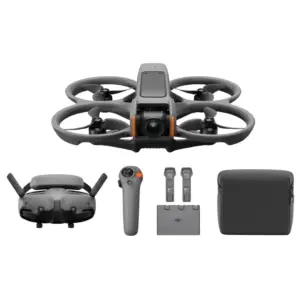
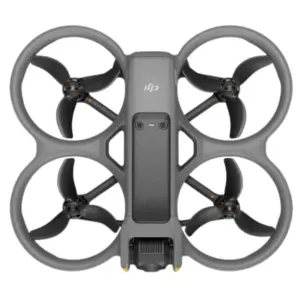
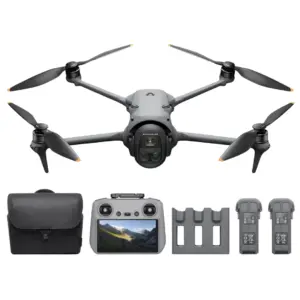
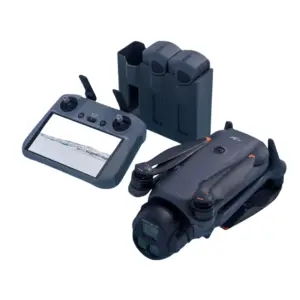
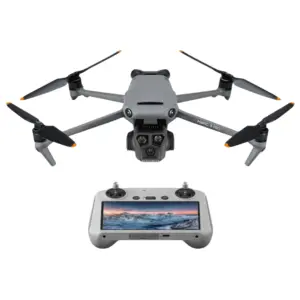
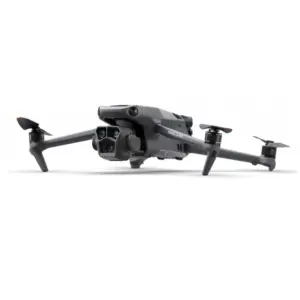
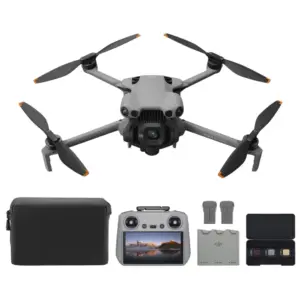
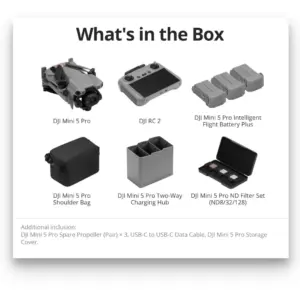
DJI Mini 5 Pro
Recent Comments
Recent Posts


Tags
Articles camera comparison camera guide Chat compact camera compact cameras consumer drones digital zoom drone basics drone components drone technology how drones work hybrid zoom lightweight camera mirrorless camera mirrorless travel camera optical zoom Shorts smartphone camera smartphone photography Summer Sunglasses technology telephoto lens travel camera guide travel photography travel photography camera Vintage Winter